
When ‘No Disclosures’ Means ‘Look Closer’

Guidance on Property Disclosure Statements 🏡
When you’re under contract and in the due diligence phase, one of the most important documents to review is the Property Disclosure Statement (PDS).
The PDS is the seller’s opportunity to answer standardized questions about the property — things like past issues, renovations, or systems updates — with Yes / No / Do Not Know / Does Not Apply.
But what if the PDS is blank or crossed out with notes like:
❌ “Seller never lived in the home.”
❌ “No disclosures.”
❌ “As is, where is.”
That’s a red flag 🚩 and means you need to dig deeper.
It doesn’t always mean something’s wrong, but it does mean:
The seller might be avoiding liability.
They might know more than they claim (e.g., recent renovations).
You’ll need to rely heavily on inspections and documentation.
Buyer Tips:
✅ Verify what the seller truly knows — they can often answer more than they think.
✅ Encourage accurate responses; “Do Not Know” should only be used when appropriate.
✅ Lean on your agent to confirm details like occupancy, renovations, and permits.
✅ Document gaps, and make sure your due diligence is complete.
Real estate due diligence isn’t just about paperwork — it’s about truly protecting yourself.
— John Cooper & Associates
When you’re under contract and in the due diligence phase, one of the most important documents to review is the Property Disclosure Statement (PDS).
The PDS is the seller’s opportunity to answer standardized questions about the property — things like past issues, renovations, or systems updates — with Yes / No / Do Not Know / Does Not Apply.
But what if the PDS is blank or crossed out with notes like:
❌ “Seller never lived in the home.”
❌ “No disclosures.”
❌ “As is, where is.”
That’s a red flag 🚩 and means you need to dig deeper.
It doesn’t always mean something’s wrong, but it does mean:
The seller might be avoiding liability.
They might know more than they claim (e.g., recent renovations).
You’ll need to rely heavily on inspections and documentation.
Buyer Tips:
✅ Verify what the seller truly knows — they can often answer more than they think.
✅ Encourage accurate responses; “Do Not Know” should only be used when appropriate.
✅ Lean on your agent to confirm details like occupancy, renovations, and permits.
✅ Document gaps, and make sure your due diligence is complete.
Real estate due diligence isn’t just about paperwork — it’s about truly protecting yourself.
— John Cooper & Associates
Categories
Recent Posts
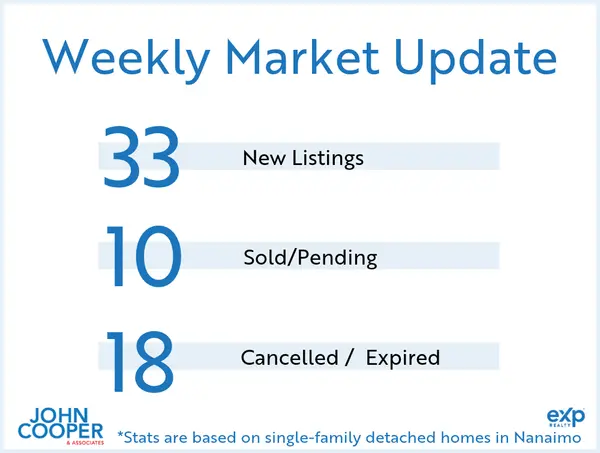
Weekly Real Estate Take - October 2026 - Week 3
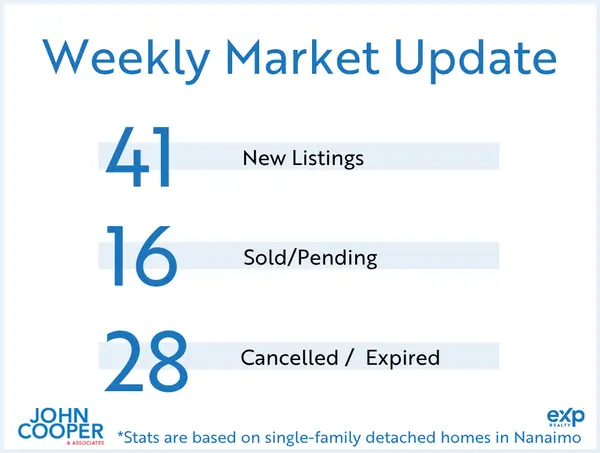
Weekly Real Estate Take - October 2026 - Week 2

October 2026 Newsletter
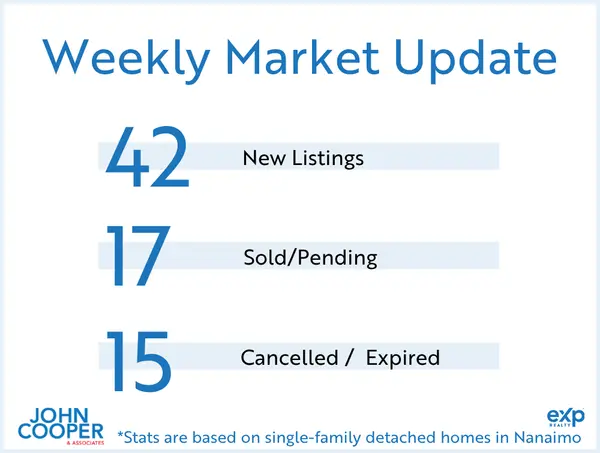
Weekly Real Estate Take - September 2026 - Week 5
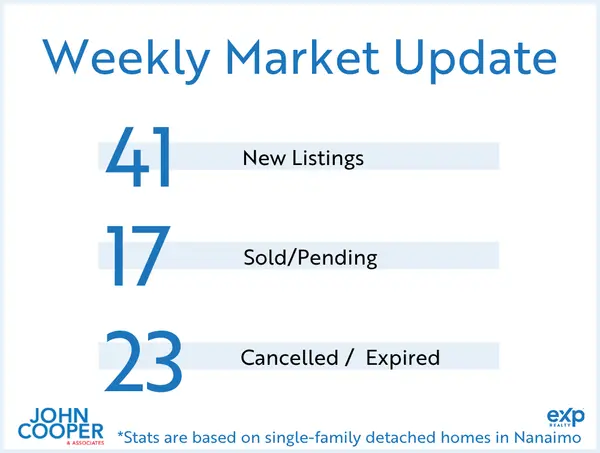
Weekly Real Estate Take - September 2026 - Week 4
Weekly Real Estate Take - September 2026 - Week 3
Weekly Real Estate Take - September 2026 - Week 2

Strata Tip of the Week – Did You Get All the Meeting Minutes?

September 2026 Newsletter
Weekly Real Estate Take - August 2026 - Week 4